Safety Helmet Price in Kenya
Safety helmet price in Kenya is one of the most searched topics among construction companies, contractors, engineers, manufacturers, schools, mining companies, and individuals looking for reliable head protection. Whether you need a helmet for a construction site, road project, factory, warehouse, or electrical work, investing in a certified safety helmet is one of the smartest decisions you can make.
Safety helmets play a crucial role in reducing workplace injuries caused by falling objects, impacts, electrical hazards, and accidental collisions. In Kenya, employers are legally expected to provide appropriate Personal Protective Equipment (PPE) to employees working in hazardous environments.
This comprehensive guide explains the safety helmet price in Kenya, the different types available, factors affecting pricing, industry applications, certifications to look for, and how to choose the best helmet for your workplace.
Why Safety Helmets Are Essential
A safety helmet, commonly known as a hard hat, protects workers from serious head injuries. It absorbs the force of impact and reduces the risk of life-threatening accidents.
Quality industrial safety helmets help protect against:
- Falling tools
- Falling construction materials
- Electrical hazards
- Flying debris
- Low overhead structures
- Impact from moving machinery
Without proper head protection, even a minor workplace accident can result in severe injuries or permanent disability.
Safety Helmet Price in Kenya
The safety helmet price in Kenya varies depending on the brand, material, certification, suspension system, and additional safety features.
Below is a general guide to typical market price ranges.
| Safety Helmet Type | Estimated Price (KES) |
|---|---|
| Basic Construction Helmet | 500 – 900 |
| Standard Industrial Helmet | 900 – 1,500 |
| Ratchet Safety Helmet | 1,200 – 2,000 |
| Vented Safety Helmet | 1,500 – 2,500 |
| Electrical Insulated Helmet | 2,000 – 3,800 |
| Premium Industrial Helmet | 3,000 – 6,000+ |
Prices may vary depending on the manufacturer, supplier, certification, quantity purchased, and optional accessories.
Bulk purchases often attract discounted pricing, making them ideal for contractors, schools, factories, and large organisations.
Factors That Affect Safety Helmet Price in Kenya
Several factors influence the hard hat price in Kenya.
1. Certification
Certified helmets that meet EN397 or ANSI standards generally cost more because they undergo strict quality testing.
2. Material Quality
Most helmets are made using:
- HDPE (High-Density Polyethylene)
- ABS Plastic
- Fibreglass
- Polycarbonate
Higher-quality materials offer improved durability and impact resistance.
3. Suspension System
Modern helmets include adjustable ratchet suspension systems that provide better comfort and a secure fit.
4. Additional Features
Premium helmets may include:
- Ventilation
- Chin straps
- Sweatbands
- Face shield compatibility
- Ear muff attachment slots
- UV resistance
Types of Safety Helmets Available in Kenya
Construction Safety Helmets
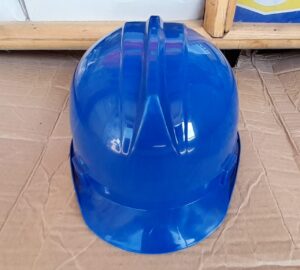
These are the most common helmets used on construction sites.
Suitable for:
- Builders
- Contractors
- Site supervisors
- Engineers
Industrial Safety Helmets
Designed for factories and manufacturing plants where workers are exposed to machinery and overhead hazards.
Electrical Safety Helmets
Electrical helmets are manufactured using non-conductive materials that reduce electrical risks.
Ideal for:
- Electricians
- Utility workers
- Power distribution companies
Mining Safety Helmets
Mining helmets are heavier-duty and often include:
- Headlamp holders
- Enhanced impact resistance
- Dust-resistant construction
Vented Safety Helmets
These helmets improve airflow, making them suitable for hot environments while maintaining impact protection.
Industries That Require Safety Helmets
Many sectors rely on certified safety helmets every day.
These include:
- Construction
- Manufacturing
- Engineering
- Mining
- Warehousing
- Logistics
- Oil and gas
- Road construction
- Telecommunications
- Agriculture
- Electrical installation
- Ports and shipping
Using appropriate head protection equipment significantly reduces workplace accidents.
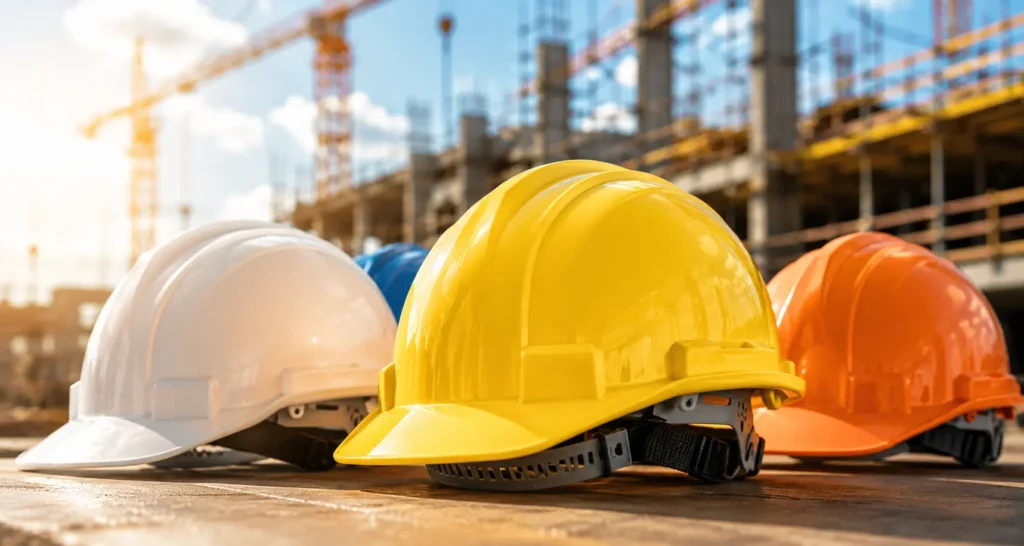
Safety Helmet Colours and Their Meanings
Helmet colours help identify workers’ responsibilities on many job sites.
| Colour | Common Meaning |
|---|---|
| White | Engineers, Managers, Supervisors |
| Yellow | General Labourers |
| Blue | Electricians, Technical Personnel |
| Green | Safety Officers |
| Red | Fire Marshals or Emergency Personnel |
| Orange | Road Construction Workers |
| Brown | Welders |
| Grey | Visitors (varies by company) |
Colour assignments may differ between organisations, but maintaining a consistent colour code improves workplace communication.
Features of a High-Quality Safety Helmet
When purchasing a helmet, look for the following features:
- Strong impact-resistant shell
- Comfortable suspension harness
- Adjustable ratchet fitting
- Sweatband
- UV-resistant material
- Lightweight construction
- Chin strap compatibility
- Ventilation (where appropriate)
- Compatibility with face shields and ear defenders
These features improve both safety and comfort during long working hours.
EN397 vs ANSI Certified Safety Helmets
Certification is one of the most important considerations when buying a helmet.
EN397
EN397 is the European standard for industrial safety helmets. It tests helmets for:
- Shock absorption
- Penetration resistance
- Chin strap performance
- Flame resistance
How to Choose the Right Safety Helmet
Selecting the right helmet depends on the working environment.
Consider the following:
- Type of work
- Potential hazards
- Electrical exposure
- Working temperature
- Required accessories
- Comfort during extended wear
- Compliance with workplace safety regulations
Choosing the correct helmet improves both worker safety and productivity.
How to Maintain Safety Helmets
Proper maintenance extends the life of your helmet.
Best practices include:
- Inspect before every use.
- Clean using mild soap and water.
- Store away from direct sunlight.
- Replace damaged helmets immediately.
- Avoid painting or drilling holes in the shell.
- Replace suspension systems when worn.
- Follow the manufacturer’s replacement recommendations.
Even if a helmet appears undamaged, it should be replaced after a significant impact.
Why Buying Certified Safety Helmets Matters
Purchasing certified helmets offers several benefits:
- Better impact protection
- Compliance with occupational safety regulations
- Longer service life
- Improved worker confidence
- Reduced accident-related costs
- Lower risk of legal liability
While cheaper helmets may appear attractive, uncertified products often provide inadequate protection.
Where to Buy Safety Helmets in Kenya
When shopping for safety helmets Kenya, choose reputable PPE suppliers that offer certified products suitable for your industry.
A reliable supplier should provide:
- Certified helmets
- Multiple colours and sizes
- Bulk purchase discounts
- Expert product advice
- Fast nationwide delivery
- After-sales support
If you’re purchasing for a company, request product specifications and certification details before placing your order.
Frequently Asked Questions About Safety Helmet Price in Kenya
What is the average safety helmet price in Kenya?
Basic helmets generally start from around KES 500, while premium industrial helmets can exceed KES 6,000 depending on the brand and features.
Which safety helmet is best for construction?
A certified construction helmet with a strong shell, adjustable suspension, and compliance with EN397 or ANSI standards is recommended.
How long does a safety helmet last?
Most manufacturers recommend replacing the shell every 3–5 years, depending on usage and storage conditions. The suspension harness may require earlier replacement.
Are safety helmets mandatory on construction sites?
Yes. Workers exposed to head injury risks should wear appropriate head protection in accordance with workplace safety regulations.
Can I reuse a safety helmet after an impact?
No. A helmet that has sustained a significant impact should be replaced immediately, even if no visible damage is present.
What certifications should I look for?
Look for recognized certifications such as EN397 or ANSI, depending on your workplace requirements.
How do I know if a safety helmet is genuine?
Purchase from trusted PPE suppliers and check for certification markings, manufacturing information, and product quality.
Can safety helmets be branded with company logos?
Yes. Many organisations customise helmets with company logos, employee identification, or project branding, provided the branding process does not compromise the helmet’s structural integrity.
Choosing the Right Safety Helmet in Kenya
Understanding the safety helmet price in Kenya helps businesses and individuals make informed purchasing decisions while prioritising workplace safety. Although prices vary based on certification, materials, and features, investing in a high-quality helmet is far more cost-effective than dealing with the consequences of workplace injuries.
Whether you work in construction, manufacturing, engineering, mining, logistics, or electrical installations, choosing a certified safety helmet provides reliable protection and supports compliance with occupational safety standards. Always buy from reputable PPE suppliers, inspect helmets regularly, and replace them when they reach the end of their service life.
By investing in quality head protection today, you create a safer, more productive workplace for everyone.